Response within 24 business hours Donate
KrishnaKanhaiya Gosamvardhan Sewa Trust logo KrishnaKanhaiya गौ संवर्धन सेवा ट्रस्ट
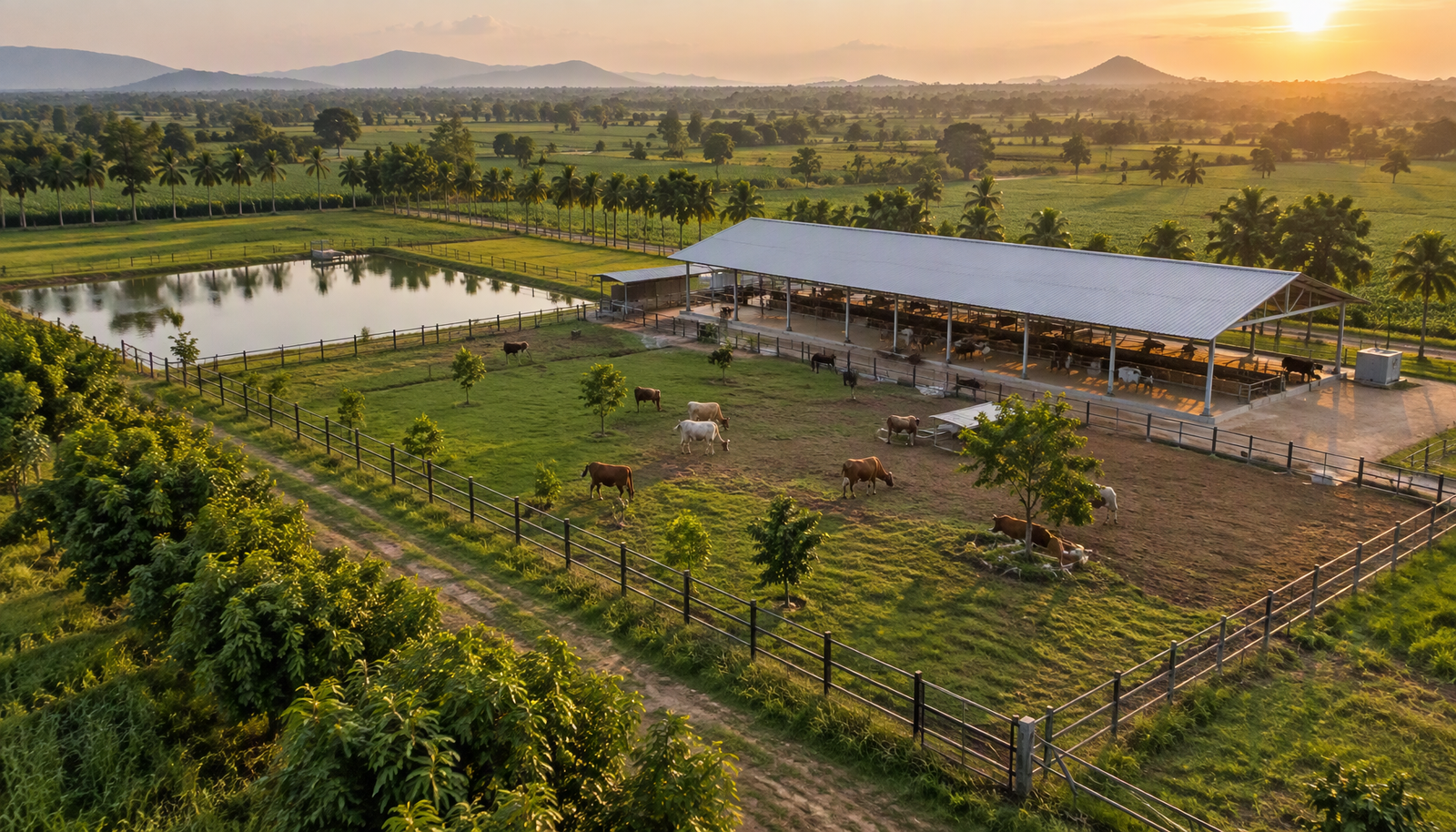
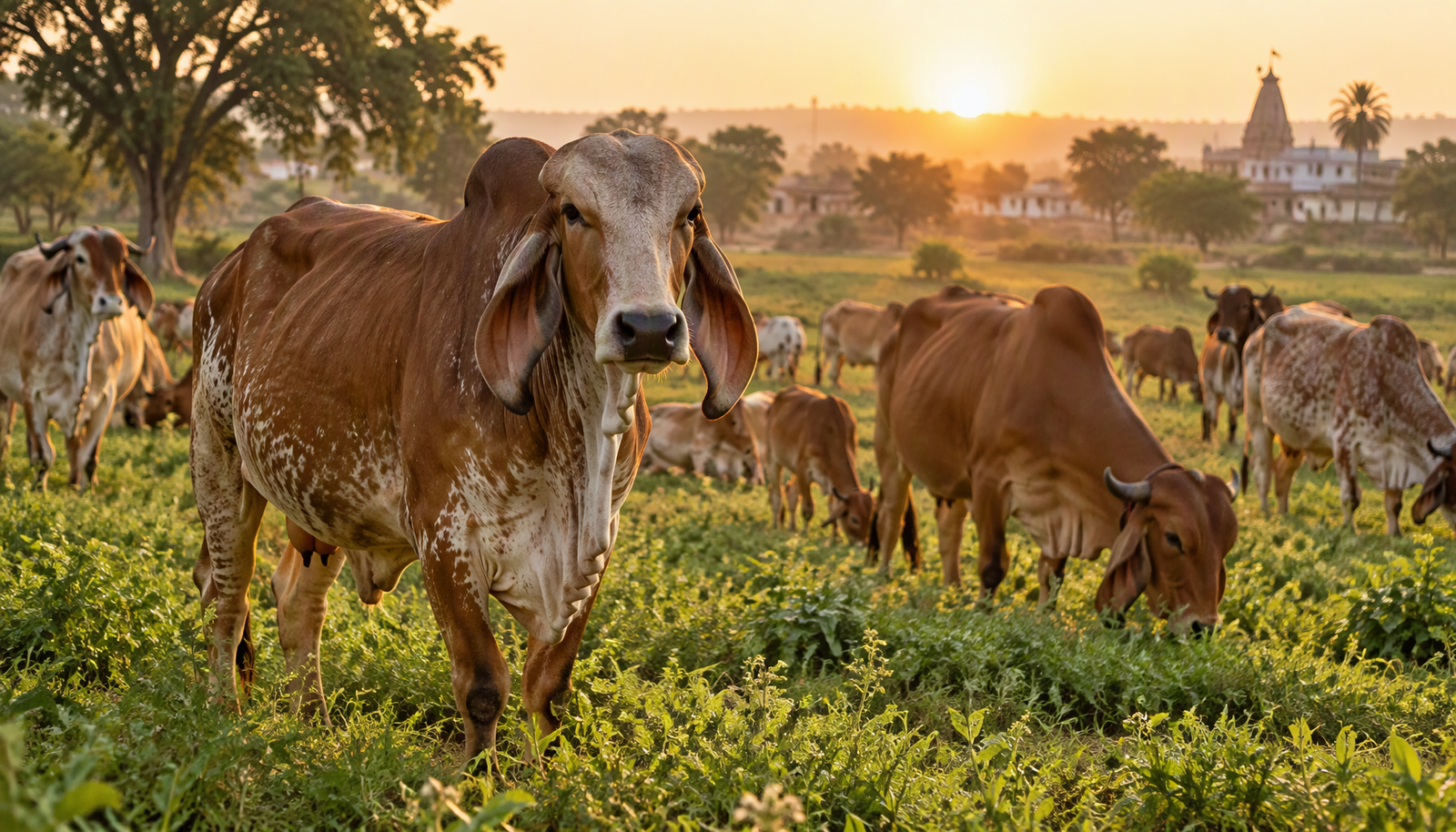
Herd of indigenous Indian cows grazing at golden hour
गौ संवर्धन  ·  Go Samvardhan

Samvardhan means growth, expansion and promotion of India's indigenous cows.

Since ages the Indian cow has remained the basis of our health and nourishment, our economy and our culture. We promote the knowledge of those unique qualities — not on faith alone, but through objective scientific enquiry.

5 active projects 43 indigenous cattle breeds 13.5 acres identified
18,000+destitute cows given a second home
43 + 13indigenous cattle & buffalo breeds
5 Dayscow-based economy training programme
100%pure, organic & ayurvedic cow feed
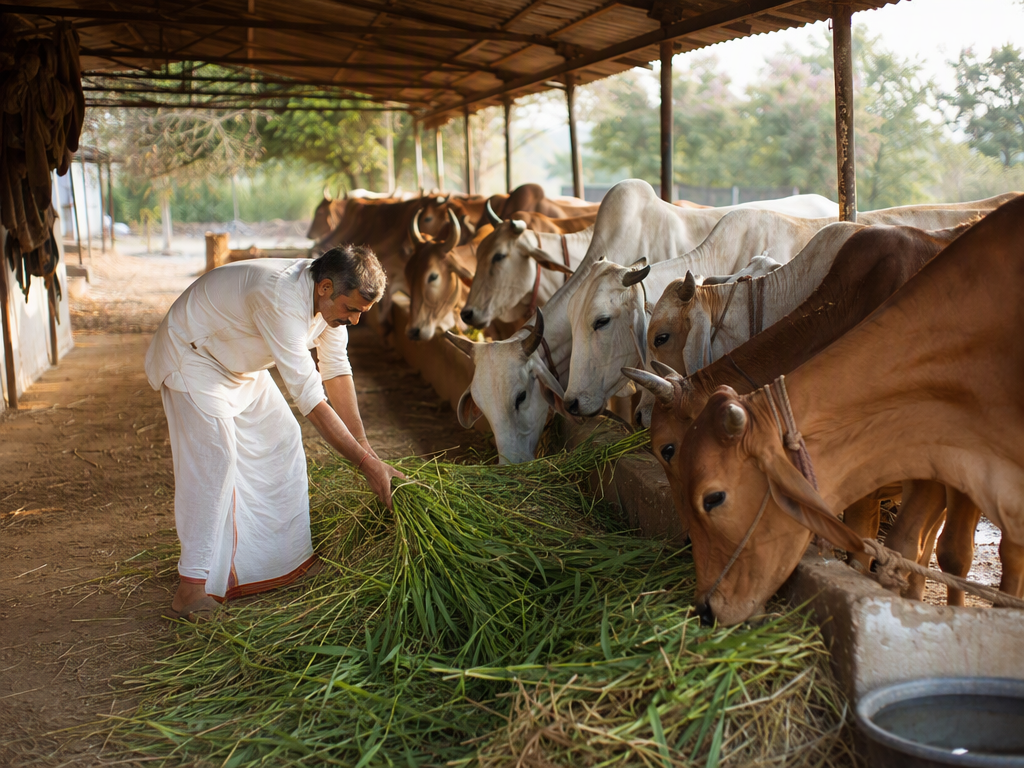
Caretaker feeding indigenous cows at the trust's gaushala
Cow Centre गो संरक्षण केंद्र · Faridabad, NCR
About Us

Not only a cow centre — a cow research & development institution

KrishnaKanhaiya Gosamvardhan Sewa Trust is promoting indigenous Indian cows for their unique characteristics. We promote knowledge of cow-based health products, the cow-based economy, and the enhancement of Indian Vedic culture.

Yes, we are a "Cow Centre" (गो संरक्षण केंद्र)

In ancient Indian culture cows are considered sacred — given a status equivalent to Mother and Goddess Gayatri, owing to the immense benefit they give through milk, urine and dung. Many institutions have gathered as "Saviours of Cows", yet most of them rest on a faith system only.

However, we are a "Research" institution too (अनुसंधान)

In modern India the immense benefits of indigenous cows are commonly dismissed as "orthodox" and "unscientific". We recognise that there is a pressing need to evaluate the faith system through objective scientific enquiry.

Hence, we are a "Cow Research & Development" institution (गौ संवर्धन संस्थान)

We do not promote cows on the basis of the ancient faith system alone. We actively carry out objective scientific research on indigenous cows to establish the truth — and then promote it.

See what we work on
Our Starting Point

Three things the trust has set out to do first

Ancient Ayurvedic literature — Charak Samhita, Sushrut Samhita and Gad Nigrah — records a large number of medicinal and health applications from indigenous cows. Our work begins by testing that inheritance scientifically.

01

Scientific research on desi cows

Research on cows to establish the facts — scientifically — about the qualities and characteristics of indigenous desi cows, including metagenomic and proteogenomic analysis that still awaits detailed investigation.

02

Development of pure breeds

Systematic development and conservation of pure breeds of India's indigenous cows, so that their resilience, disease resistance and feed efficiency are not lost to unregulated cross-breeding.

GirSahiwalRathiSwarn KapilaRed SindhiKankrejTharparkarHariana
03

Self-reliant village economy

Establishing a cow-based, self-reliant economy model for Indian villages — reducing the farmer's cost of production, restoring soil fertility and returning the cow to its central place in rural life.

Projects

The five projects we are working on at present

Each project is run as a programme in its own right, with its own fieldwork, research partners and deliverables.

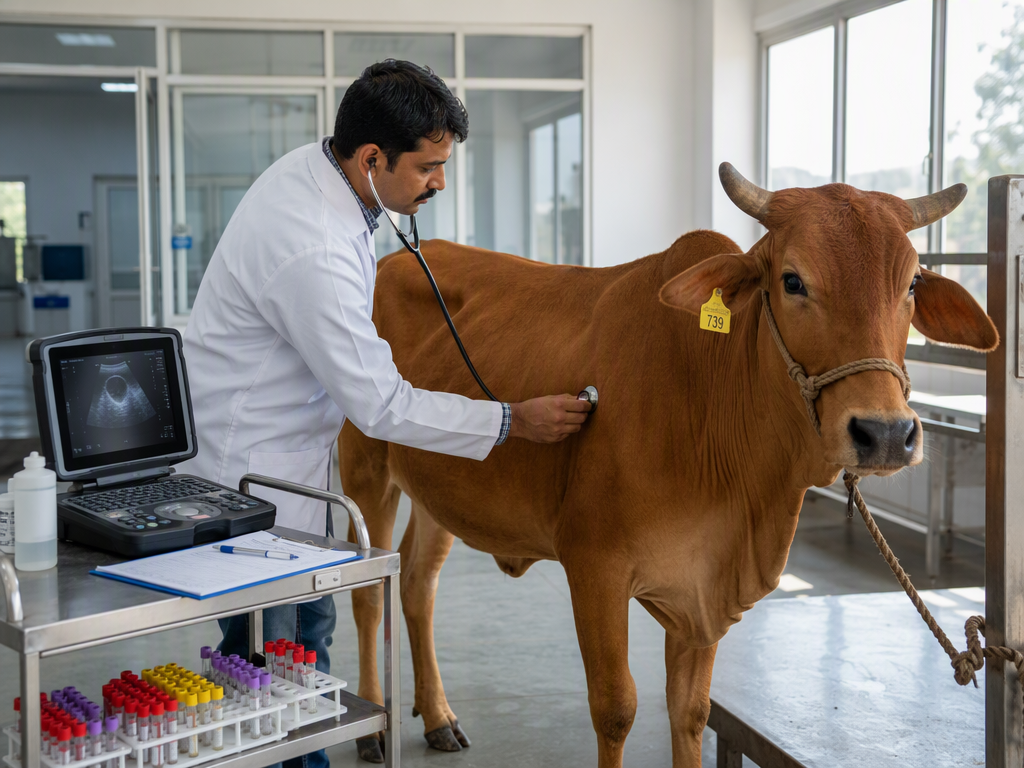
Veterinary scientist examining an indigenous cow Project 01

Indigenous Cow Research & Development

गौ संवर्धन

Systematic scientific investigation of the uniqueness of pure indigenous Indian cows — genetics, reproductive health, sex-sorted semen and breed improvement, coordinated with industry-leading scientists and researchers.

Read the research agenda
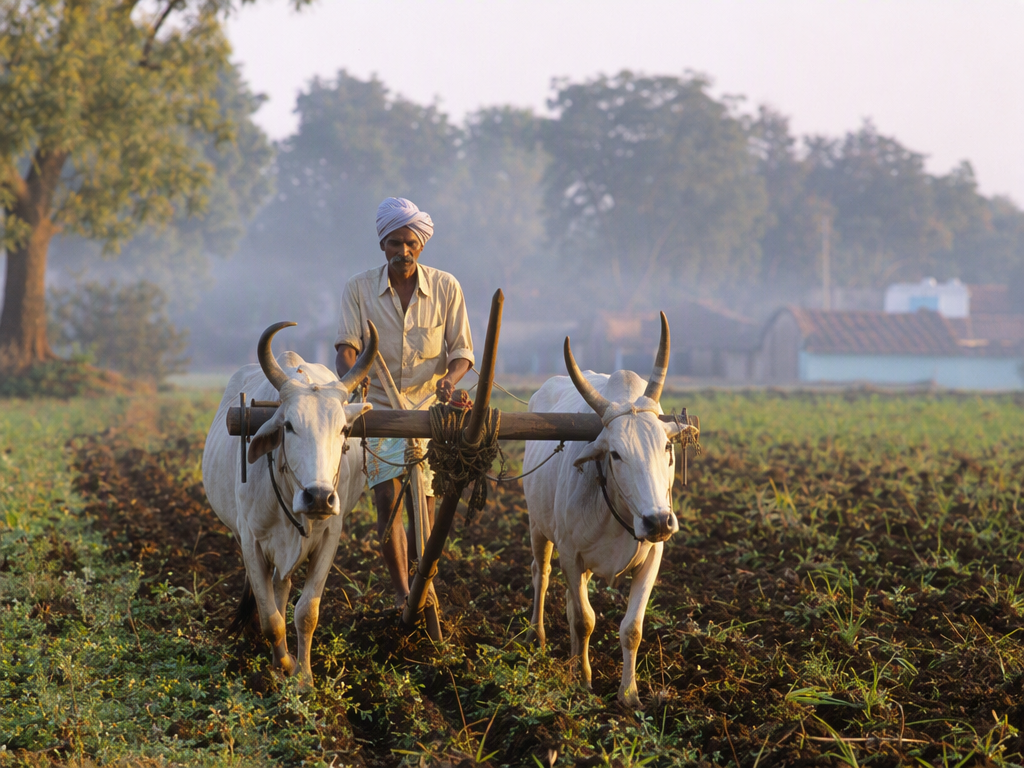
Farmer ploughing with indigenous bullocks Project 02

Cow Based Economy Development

गाय आधारित अर्थव्यवस्था

Bringing the cow back into the economics of the Indian farm — A2 milk, dung compost, gomutra, draught power and home-made medicines — taught through our 5-day training programme in Delhi NCR.

About the training
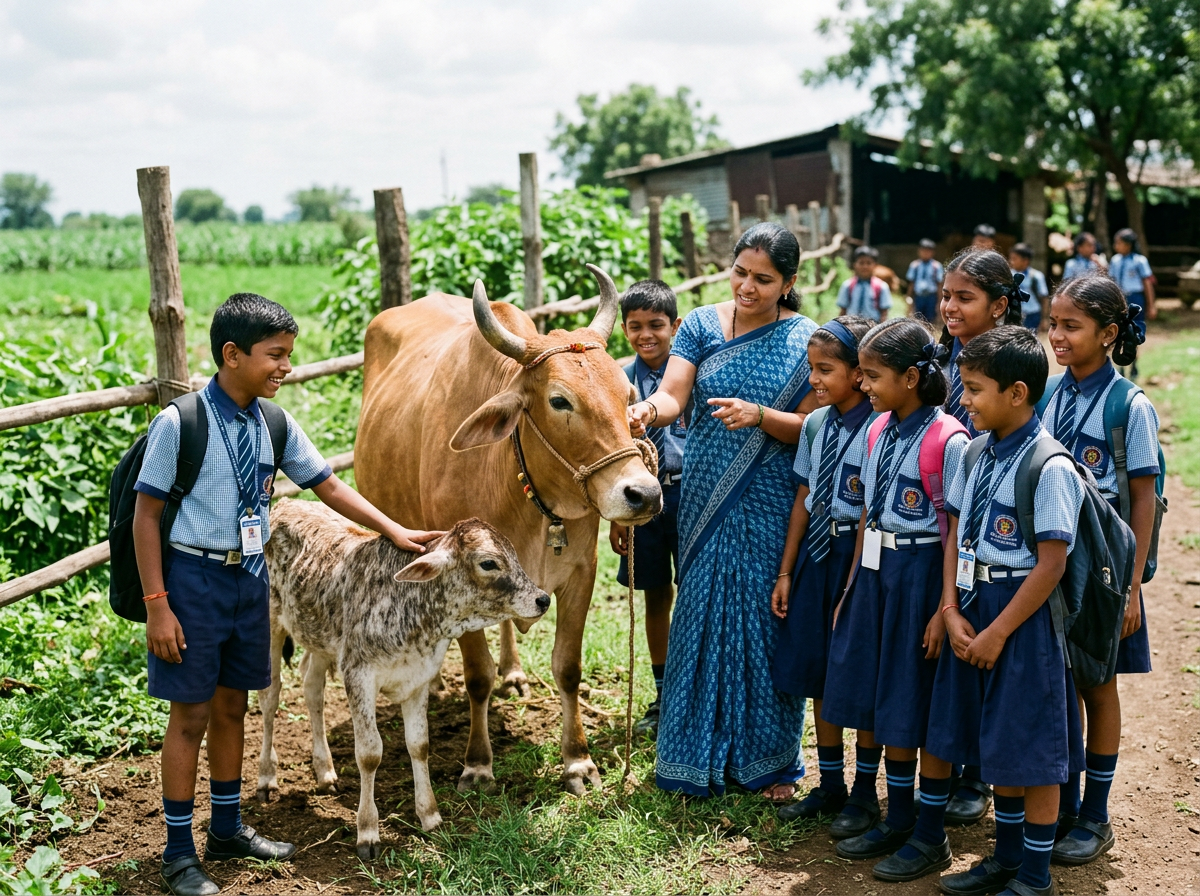
School children learning about a cow calf Project 03

Cow Based Education

गाय आधारित शिक्षा

Teaching the animal itself — cattle vision, hearing, herd behaviour, flight zone and temperament — so that students, handlers and gausewaks work with cows safely, calmly and without stress to the animal.

Enquire about a visit
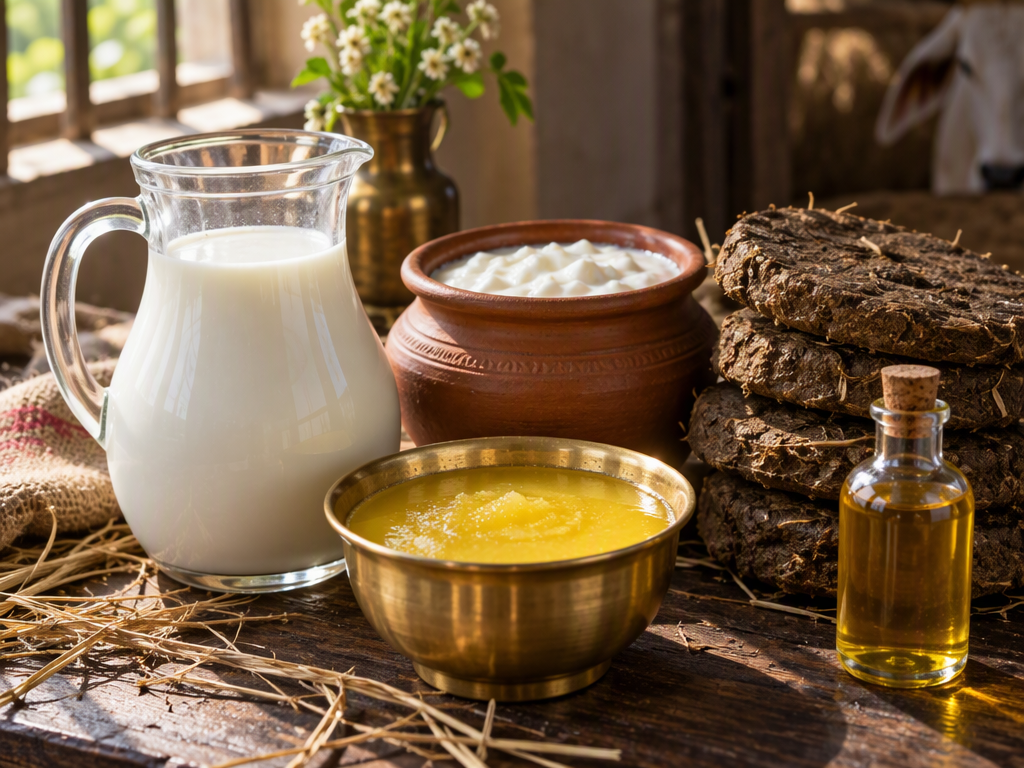
Organic cow products — milk, ghee, curd and dung cakes Project 04

Cow Based Organic Products

जैविक उत्पाद

Organic cow milk (जैविक गौ दूध), cow urine (गोमूत्र) and cow dung (गोबर) — produce grown with desi-cow manure, chemical-free, sustainable and traced back to the farmer who grew it.

See the product range
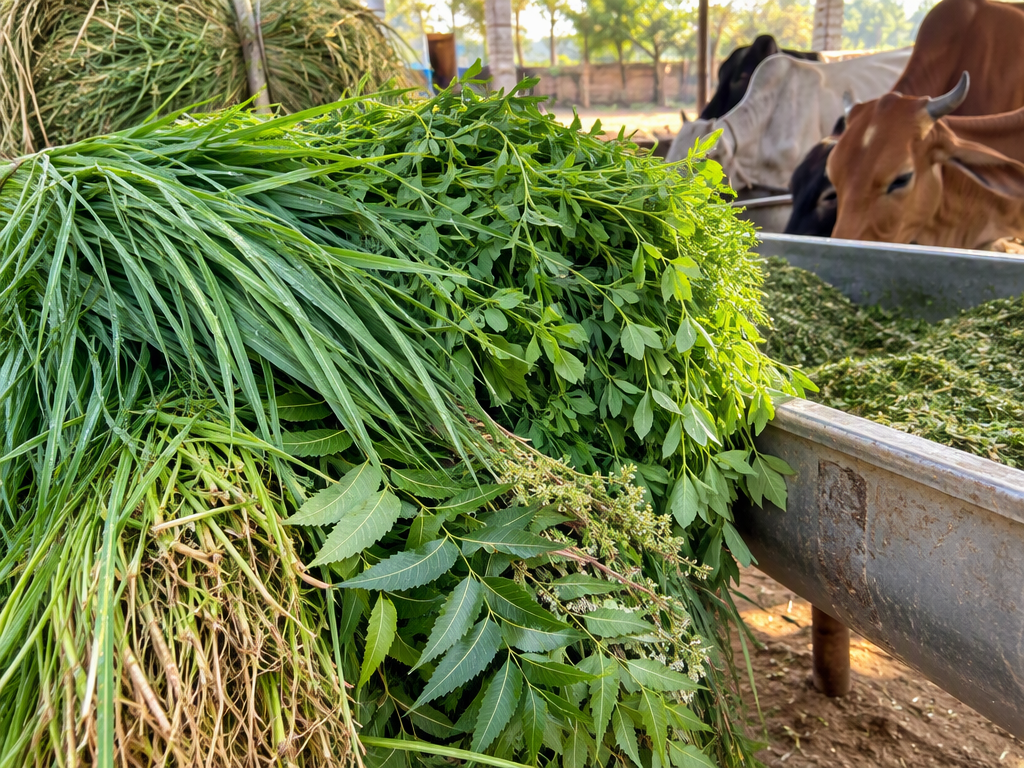
Fresh organic green fodder for cattle Project 05

Organic Cow Feed

जैविक चारा

"Food are what they grow upon." We are establishing the trust as promoter, consumer and provider of pure, organic and ayurvedic cow feed — clean, safe and blended for strength and thrive.

See the feed programme

Two further programmes

In the trust's stated plan of work

Environment & Renewable Energy (पर्यावरण और अक्षय ऊर्जा) and Indian Cultural Development (भारतीय सांस्कृतिक विकास) complete the trust's seven-point plan of work, alongside the five active projects.

Help us get there
Also in the plan of work Environment & Renewable Energy · पर्यावरण और अक्षय ऊर्जा Indian Cultural Development · भारतीय सांस्कृतिक विकास
Indigenous Cow Research & Development

The challenge is no longer ample feed. It is precise nutrition.

Growing population, changing lifestyles, expanding urbanisation and accelerated climate change are creating new challenges in bovine breeding systems. In the past the challenge was to provide ample feed; now it is to provide essential nutrients that promote health — especially reproductive health; and in future it will be to provide optimal nutrients based on an animal's genetic profile and productivity.

Biodiversity of livestock, so crucial for sustaining long-term productivity, is under jeopardy. Genetically uniform systems are vulnerable to external shocks — extreme weather, emerging diseases and pathogens. Because of the continued focus on exotic-germplasm cross-breeding, the number of indigenous breeds with better adaptability, disease resistance and feed-efficiency ratio is declining. The situation is made worse by unregulated blood levels in crossbred progeny, in attempts to increase milk yield indiscriminately.

It is therefore the need of the hour to conserve and improve the productivity of India's indigenous breeds. In this context India is blessed with a huge biodiversity that has survived hundreds of years in suitability to its local environment.

43indigenous cattle breeds in India
13indigenous buffalo breeds
4.85 → 6.77 kgtarget daily milk yield per indigenous animal
70 millionfarming community whose livelihood & security this serves

Five thematic areas of research

The trust is coordinating with industry-leading scientists, researchers and educationists, and is in the process of partnering with reputed institutions for this purpose.

1

Uniqueness of indigenous cows. Scientific research into what makes the pure indigenous Indian cow distinct — including the resilient qualities that markets from Australia to Brazil seek India's cattle for: tick resistance, heat tolerance, and the ability to flourish even with inadequate feed.

2

Medicine & health. Scientific research on prime products from indigenous cows for medicinal and health applications, as recorded in the Ayurvedic literature and as yet unverified.

3

Agricultural applications. Scientific research on prime products from indigenous cows for use in farming — bio-fertiliser, compost and botanical pest control.

4

Food & nutrition. Scientific research on prime products from indigenous cows for food and nutrition, including the A2 protein profile of desi cow milk.

5

Utility items. Scientific research on indigenous cow-based utility items — the everyday products that can be made from milk, dung and gomutra.

Advanced reproductive technologies are also being taken up, including sexing of semen to regulate the sex ratio and produce a larger number of high-genetic-merit heifers. Sex-sorted semen technology will be standardised for indigenous breeds such as Sahiwal, Hariana, Red Sindhi, Rathi and Gir in the initial phases.

Cow Based Economy

What the cow gives back to the farm

Since time immemorial India has been an agrarian country and the cow has been its backbone. When fertilisers and tractors were unknown, the cow was the only source sustaining the whole of agriculture. These six returns are the basis of the cow-based economy model we teach.

Cow Milk

जैविक गौ दूध

Indian cow milk contains the A2 type of protein, making it superior to that of exotic breeds. Desi cow milk is therefore in high demand and fetches good money for farmers — as do ghee, paneer, butter and curd.

Cow Dung

गोबर

Compost and fertiliser made from cow dung are organic, natural and cheap — close to zero investment — and increase yield. A gobar-gas plant saves the farmer money, and dung cakes are in high demand in urban areas.

Cow Urine

गोमूत्र

Like amrit for the farmer. Cow urine is sold to Ayurvedic companies for the manufacture of medicines, and with neem-leaf water extract makes a chemical-free, antifungal pesticide and insecticide for organic farming.

Draught Power

कृषि एवं बैल

Oxen of Indian breed have a high working capacity for longer hours in all climatic conditions. A farmer who employs them need not invest in tractors or other machines — and the soil is not compacted by them.

Medicines

औषधि

Medicines prepared from cow-based products are excellent alternatives to the costly chemical-based products in the market. Farmers can produce many of them at home, at close to zero cost.

Ecological Balance

पर्यावरण संतुलन

While accomplishing all of this, cow-based farming maintains ecological balance beautifully. Soil fertility rises with cow-based products, letting farmers take multiple crops in a year and earn more profit.

You Are What You Eat

Organic milk and regular milk look the same. They are not.

"You are what you eat" means it is important to eat good food in order to be healthy. Invariably this is also true of the process by which our food is grown — so we can conclusively say that foods are what they grow upon.

Organic milk

Grown the way it was always meant to be

Organic foods are grown without the use of synthetic chemicals, antibiotics, pesticides or hormones.

  • Cows are fed exclusively on feed grown without pesticides or commercial fertilisers
  • Periodic access to an ayurvedic-herb mix pasture
  • No supplemental hormones and no routine medication
  • Higher nutritional content, more healthy omega-3 fatty acids and more disease-fighting antioxidants
  • Grass-fed milk is higher in polyunsaturated fat; boosts immunity and helps prevent premature ageing
Regular milk

Produced for volume alone

Non-organic food is produced the regular way, which includes the use of chemicals, fertilisers, pesticides, antibiotics and drugs.

  • Lactating cows are given feed grown with chemical fertilisers and pesticides
  • Supplemental hormones and medicines used solely to boost milk production
  • May carry harmful inorganic substances — a risk to human, cattle and environment
  • Chemicals used to boost production have been proved to cause a number of diseases
  • Superficially, no difference is visible — the difference is in nutritional quality and health risk

When you buy organic products grown using desi-cow manure and fertiliser, you are directly supporting the farmer and encouraging them to grow farm produce our traditional way.

Organic Cow Feed · जैविक चारा

Pure, Organic & Ayurvedic

The work of a farmer is never done, and finding the right organic cattle feed is crucial to the health of the livestock and to protecting the farmer's investment. The trust's founding members have extensive experience and knowledge of organic and ayurvedic medicinal cow feed, and the trust is establishing itself as promoter, consumer and provider of it.

We produce 100 percent organic livestock feed that is clean, safe and healthy — specifically blended to help cows grow strong and thrive.

Steam flaked organic oats
Steam flaked organic corn
Steam flaked organic soybeans
Steam flaked organic barley
Organic wheat middlings
Canola meal
Organic molasses
Ayurvedic herb mix pasture
High proteinHigh fibreHigh fatCalciumVitamin AVitamin DVitamin EVitamin B-12
Fresh organic green fodder stacked for cattle
"Pure, Organic & Ayurvedic"
Green farmland with a new cow shelter
Land & Gaushala

Land purchasing is going on. This is where your support goes first.

Presently more than 18,000 destitute cows are living a happy and peaceful life with us. We not only give these cows a second home but a second chance at a happy life. Few sites have been selected for the cow shelter — and, as in any typical project, land cost is the highest cost, approximately 50 percent.

Site 1 — Mathura Road

11+ acres

Selected for the main cow shelter: acres of land for the animals to move around, fodder cultivation, and the research and training facility.

Land fund progressIllustrative

Site 2 — near Greater Noida

2.5+ acres

Second identified site, extending the trust's shelter and organic-feed capacity closer to the NCR farming belt.

Land fund progressIllustrative
Ways to give

Choose what your contribution supports

Fodder
₹1,100

A month of the wheat, mustard cake, green grass, bhusa and jaggery mix that one cow is fed.

Feed a cow
Most chosen
₹5,100

Shelter, feed and veterinary care for one destitute cow for a full month, including medicines from our expert doctors.

Adopt a cow
Research
₹11,000

Sponsor scientific investigation into the uniqueness of indigenous breeds — sampling, analysis and reporting.

Fund research
Land
₹21,000

Contribute to the purchase of the Mathura Road and Greater Noida sites — the single largest cost of the project.

Buy a square foot

These cows are docile and harm no one at all, so we cannot leave them to meet a fatal end. Many are brought to our gaushala disabled or deeply injured, even fighting for their lives. Hundreds of gausewaks work round the clock to look after them.

To contribute, or to discuss a larger donation, CSR partnership or land gift, write to trust@krishnakanhaiya.org or call +91 79823 97744.

5-Day Training Programme

Learn to reduce your cost and increase your income with a cow-based economy

We have decided to spread awareness about the cow-based lifestyle. For this we have developed a training programme at our facility in Delhi NCR. Farmers and other interested people can attend a 5-day training and learn the ways to reduce cost and increase income.

Register your interest
Contact

Write to us, call us, or come and see the gaushala

We are in the NCR, Faridabad region of Haryana, India. Emails are answered within 24 business hours.

KrishnaKanhaiya Gosamvardhan Sewa Trust

Promotion of indigenous desi cows — health and nourishment, economy and culture.

Office Address

#619, #587, Sector-31,
Faridabad, Haryana, India

Email us

trust@krishnakanhaiya.org

Turnaround time: 24 business hours
Gaushala visits

By prior appointmentSchools, farmers and research visitors welcome

Send an enquiry

Tell us whether you wish to support the trust, attend the training, buy organic produce, or collaborate on research.

Thank you — your enquiry is noted

The trust will respond within 24 business hours at the address you gave us.